Morena, Madhya Pradesh
Around 200 small eighth-century temples rebuilt stone by stone from rubble, in Chambal ravine country, by an archaeologist who negotiated with dacoits to do it.
Pick a state, pick what you are into — forts, waterfalls, temples, wildlife, weaving — and get the places worth going, the things to actually do there, hour-by-hour itineraries and the practical information you would otherwise hunt across six blogs for.
The Taj Mahal does not need your footfall. An unlisted fort forty kilometres off the highway does — and so does the homestay, the guide and the dhaba next to it.
So a check-in at a marquee site is worth 10 points, and one at a place under twenty thousand visitors a year is worth 150. Tiers are recomputed every quarter, which means a destination that becomes popular drops in value. The incentive permanently chases the long tail.
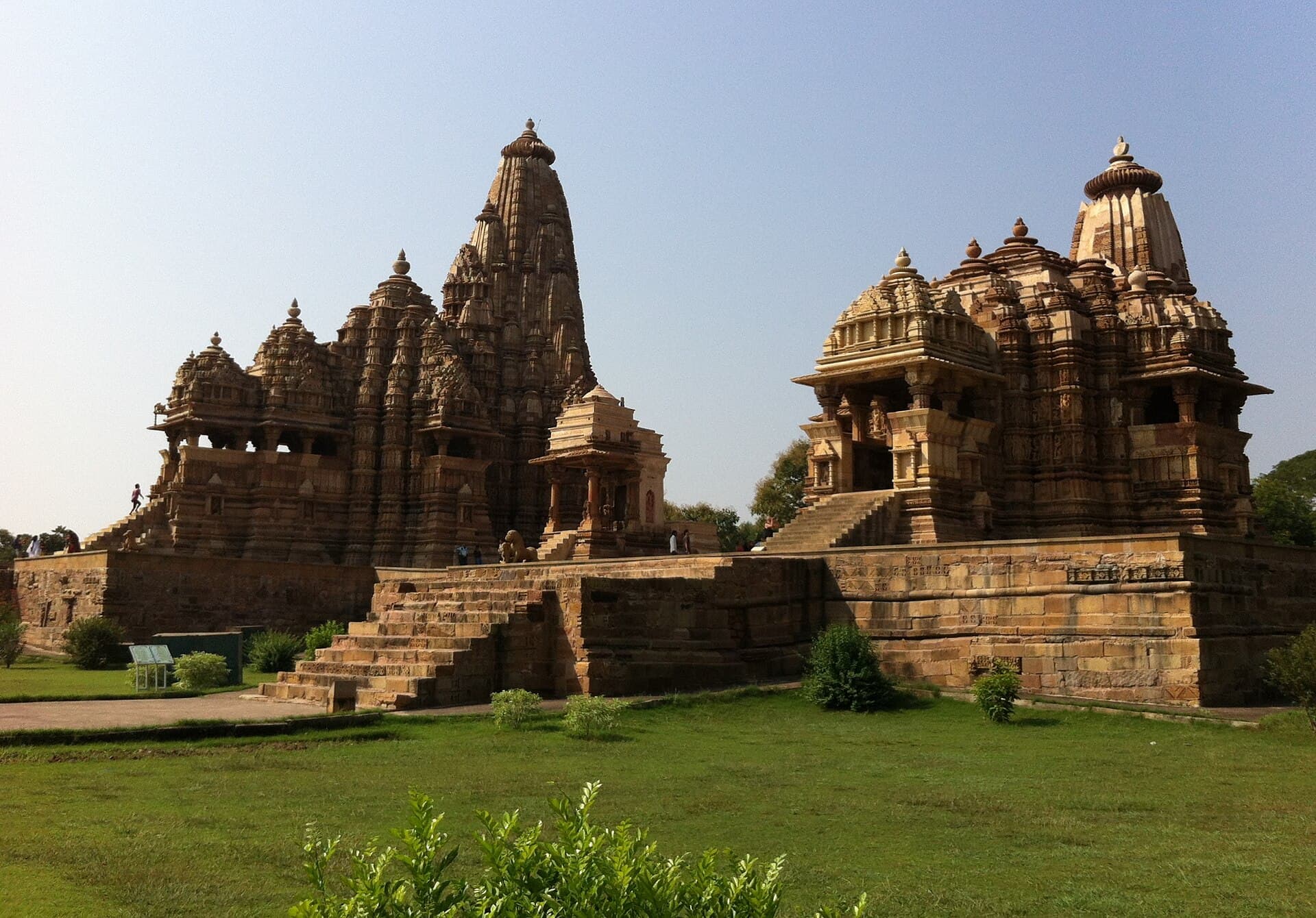
How the points engine worksKhajuraho
Over 1M visitors a year, nationally iconic
Orchha
200k–1M visitors, regionally well known
Bhojpur Temple
20k–200k visitors, known locally but little outside footfall
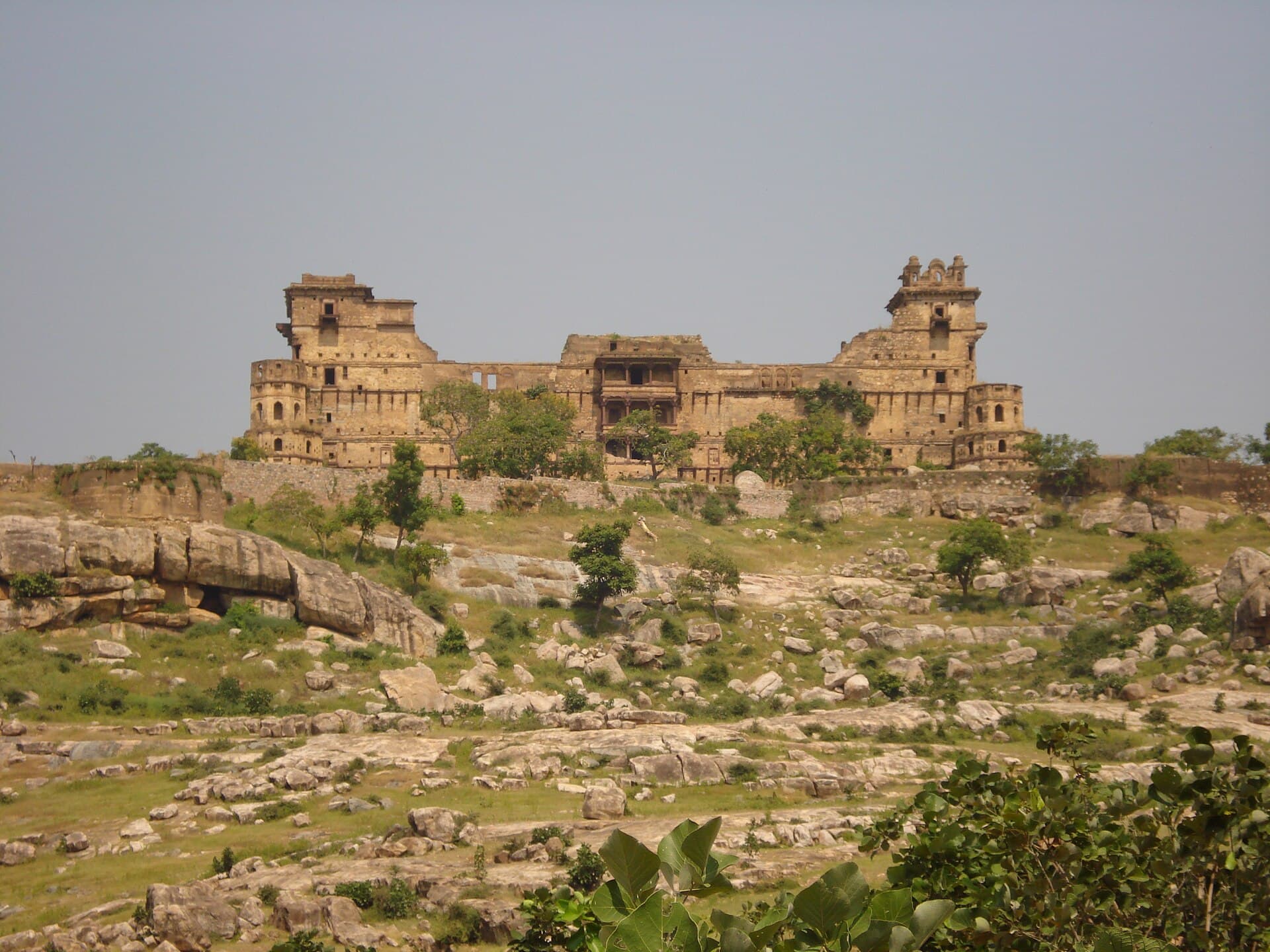
Garhkundar Fort
Under 20k visitors — remote, newly listed or undocumented
Remote, newly listed or simply undocumented. Every one of these sits within a hundred kilometres of somewhere that takes ten to a hundred times the visitors.
Morena, Madhya Pradesh
Around 200 small eighth-century temples rebuilt stone by stone from rubble, in Chambal ravine country, by an archaeologist who negotiated with dacoits to do it.
Morena, Madhya Pradesh
A circular eleventh-century temple of 64 yogini shrines on a hilltop — widely said to be the model for the Indian Parliament building.
Niwari, Madhya Pradesh
A hill fort of the Khangar kings that is invisible until you are almost on top of it — and reportedly has an underground level nobody has fully mapped.
Multi-select, and stack it with time available, difficulty and season.
Multi-day routes built so the highest-scoring stops come last.
Four days across the Bundela heartland, from the crowds at Orchha to a fort in Niwari that you will very likely have entirely to yourself. Deliberately routed so the last two days are the highest-scoring ones.
Two days in the ravine country north of Gwalior: a circular yogini temple that may have inspired Parliament, two hundred reassembled eighth-century temples, and cheetah country in the Kuno grassland. Three Tier-4 and one Tier-3 site in 48 hours.
Follow the river from the spring where it rises on the Maikal plateau to the Holkar ghats at Maheshwar, taking in the marble gorge at Bhedaghat and the island Jyotirlinga on the way. Six days, the length of Madhya Pradesh.
Every rating comes from someone with a verified check-in at that destination. That is the only way to leave one.
Narmadapuram, Madhya Pradesh
The only tiger reserve in India where you can legally walk in the core zone — on foot, with an armed guard, at dawn.
Morena, Madhya Pradesh
Around 200 small eighth-century temples rebuilt stone by stone from rubble, in Chambal ravine country, by an archaeologist who negotiated with dacoits to do it.
Chhatarpur, Madhya Pradesh
A UNESCO World Heritage site of Chandela-era temples whose carving is the high-water mark of north Indian sculpture.
Niwari, Madhya Pradesh
A Bundela capital frozen in the sixteenth century — palaces, riverside cenotaphs and a temple where Rama is worshipped as a reigning king.
Mandla, Madhya Pradesh
The sal forest and open maidans that Kipling wrote The Jungle Book about, and the last refuge of the hard-ground barasingha.
Dhar, Madhya Pradesh
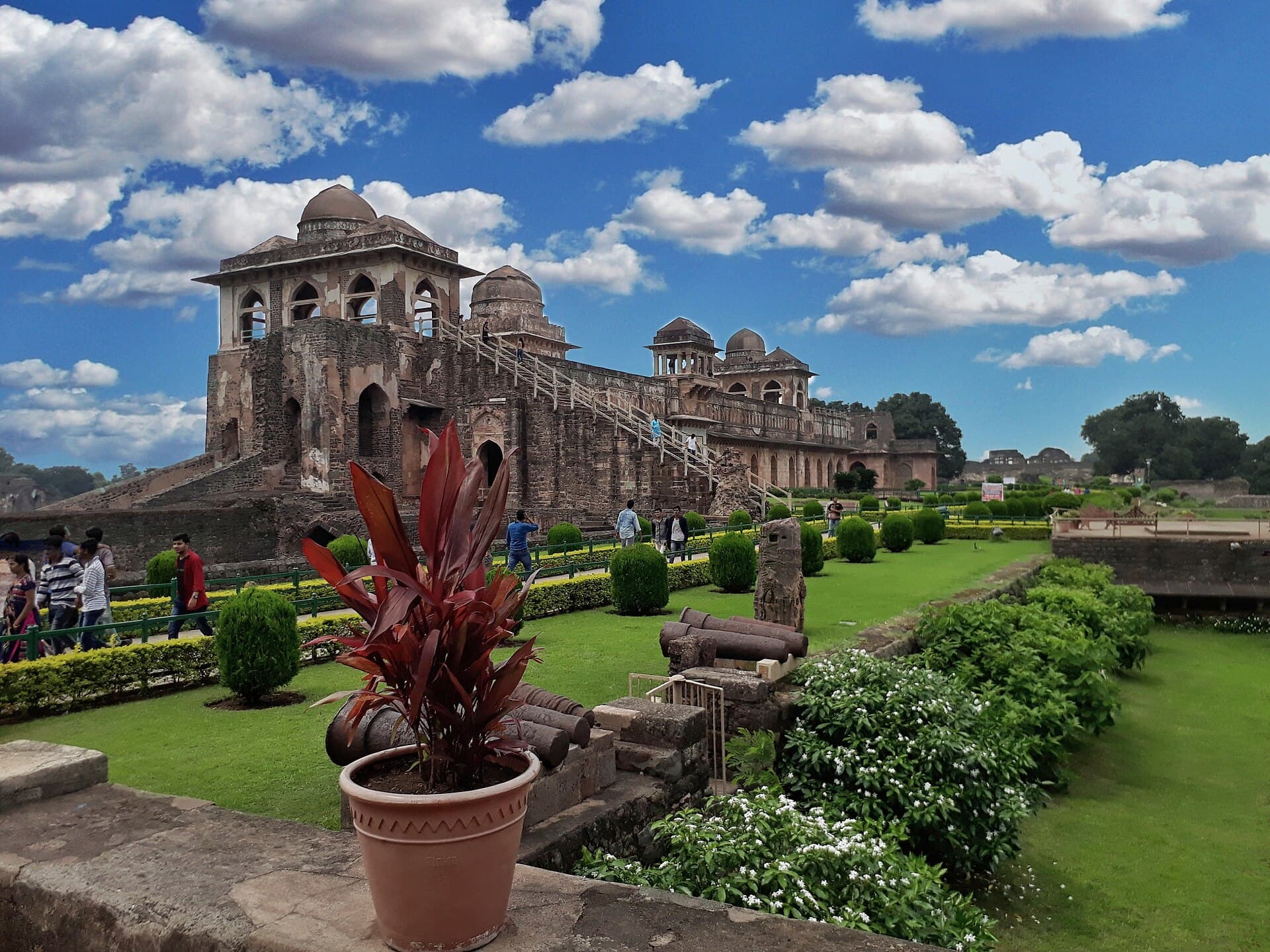
A ruined Afghan capital spread over a 13 km plateau — the most romantic set of monuments in India, and unrecognisably good in monsoon.