Morena, Madhya Pradesh
Around 200 small eighth-century temples rebuilt stone by stone from rubble, in Chambal ravine country, by an archaeologist who negotiated with dacoits to do it.
Three UNESCO World Heritage sites, six tiger reserves and the two rivers that define central India. Madhya Pradesh has more nationally protected monuments than any state except Uttar Pradesh, and a long tail of forts, rock-cut caves and craft villages that receive almost no visitors at all. It is the pilot state for YatraGo for exactly that reason.
Under 20k visitors — remote, newly listed or undocumented
Morena, Madhya Pradesh
Around 200 small eighth-century temples rebuilt stone by stone from rubble, in Chambal ravine country, by an archaeologist who negotiated with dacoits to do it.
Morena, Madhya Pradesh
A circular eleventh-century temple of 64 yogini shrines on a hilltop — widely said to be the model for the Indian Parliament building.
Niwari, Madhya Pradesh
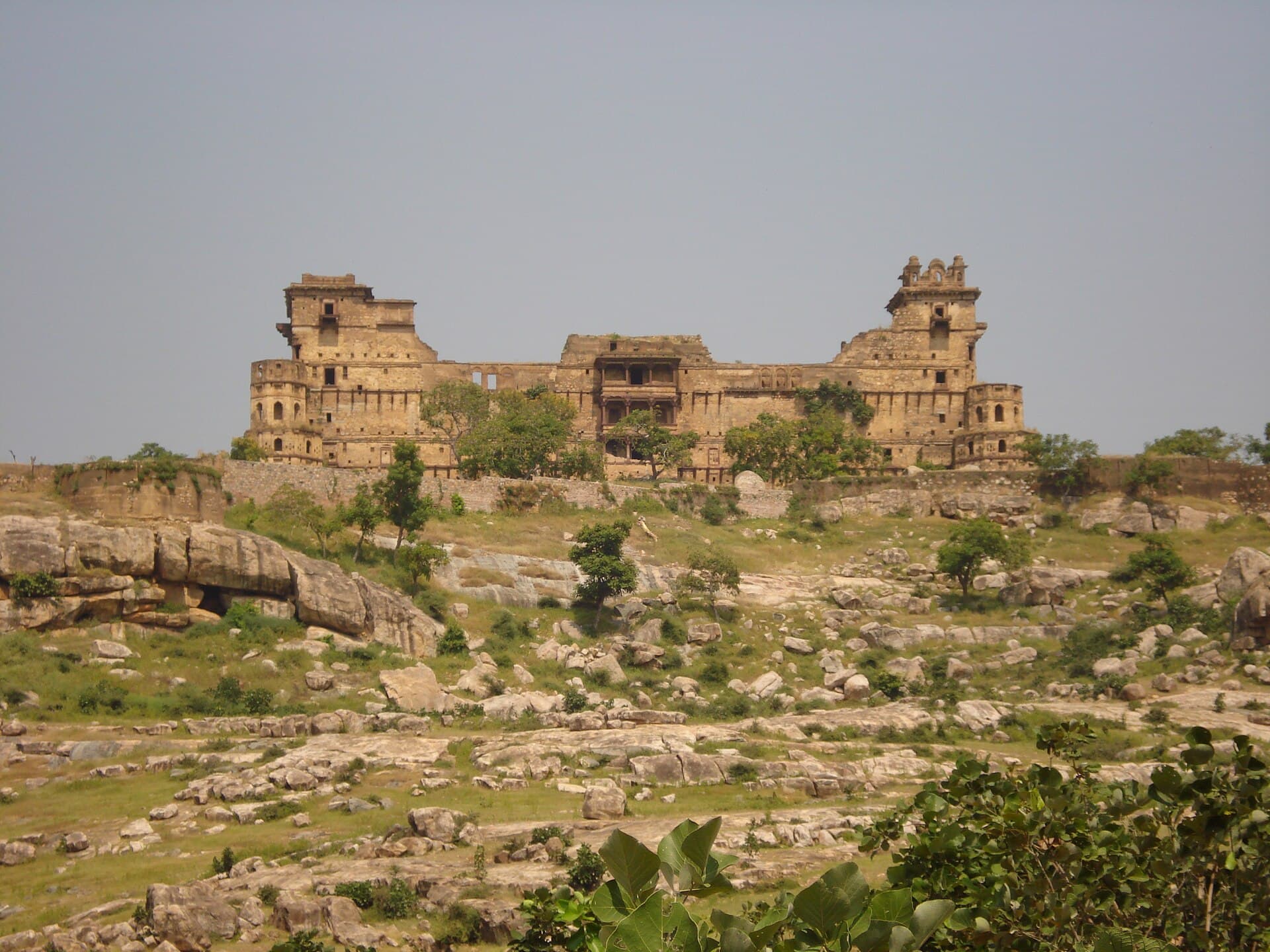
A hill fort of the Khangar kings that is invisible until you are almost on top of it — and reportedly has an underground level nobody has fully mapped.
© Partner · CC BY-SA 3.0Mandsaur, Madhya Pradesh
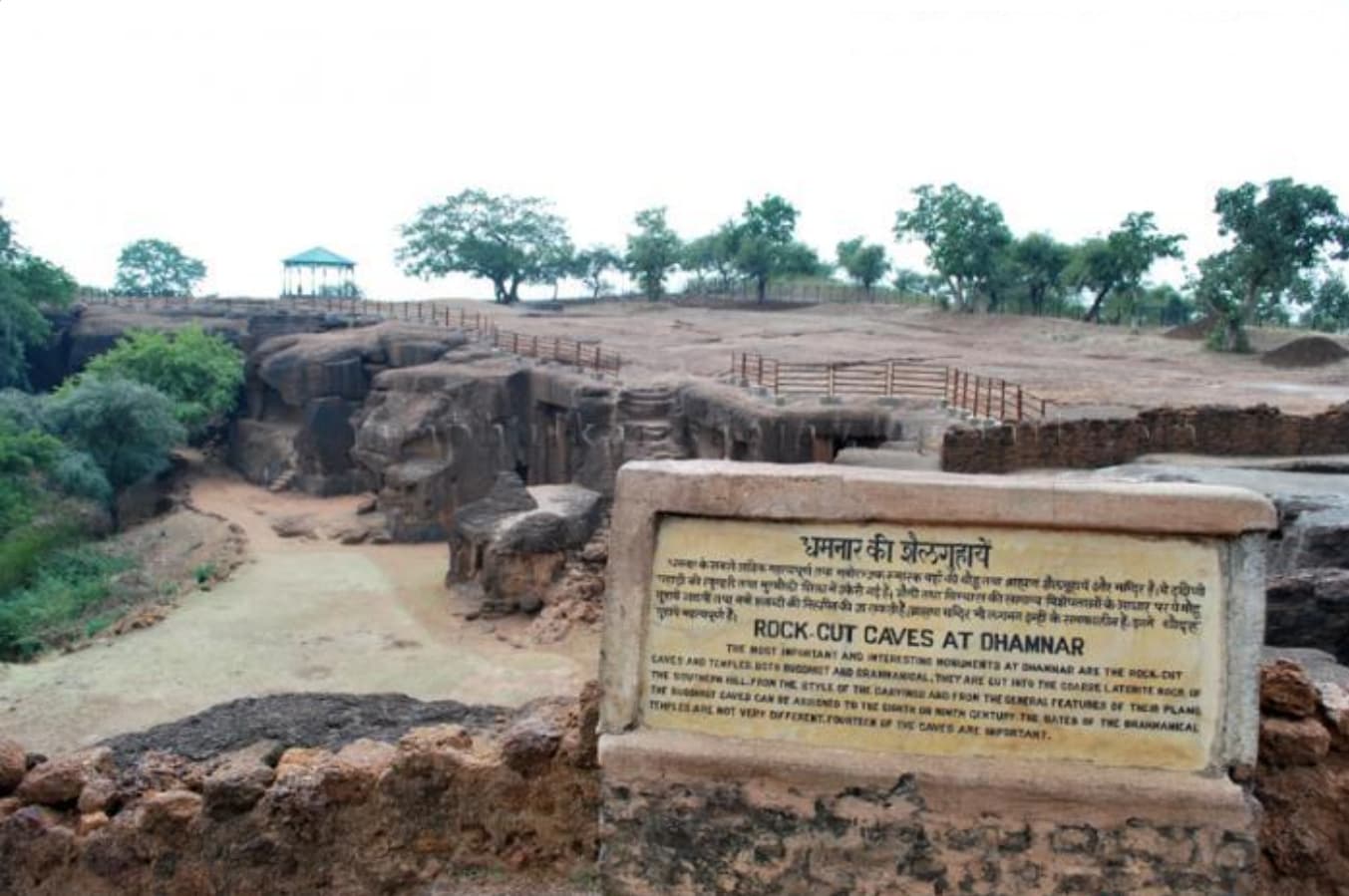
Fifty-one rock-cut Buddhist caves from the fourth century, plus a Hindu temple carved out of a single hill — and effectively zero visitors.
Sehore, Madhya Pradesh
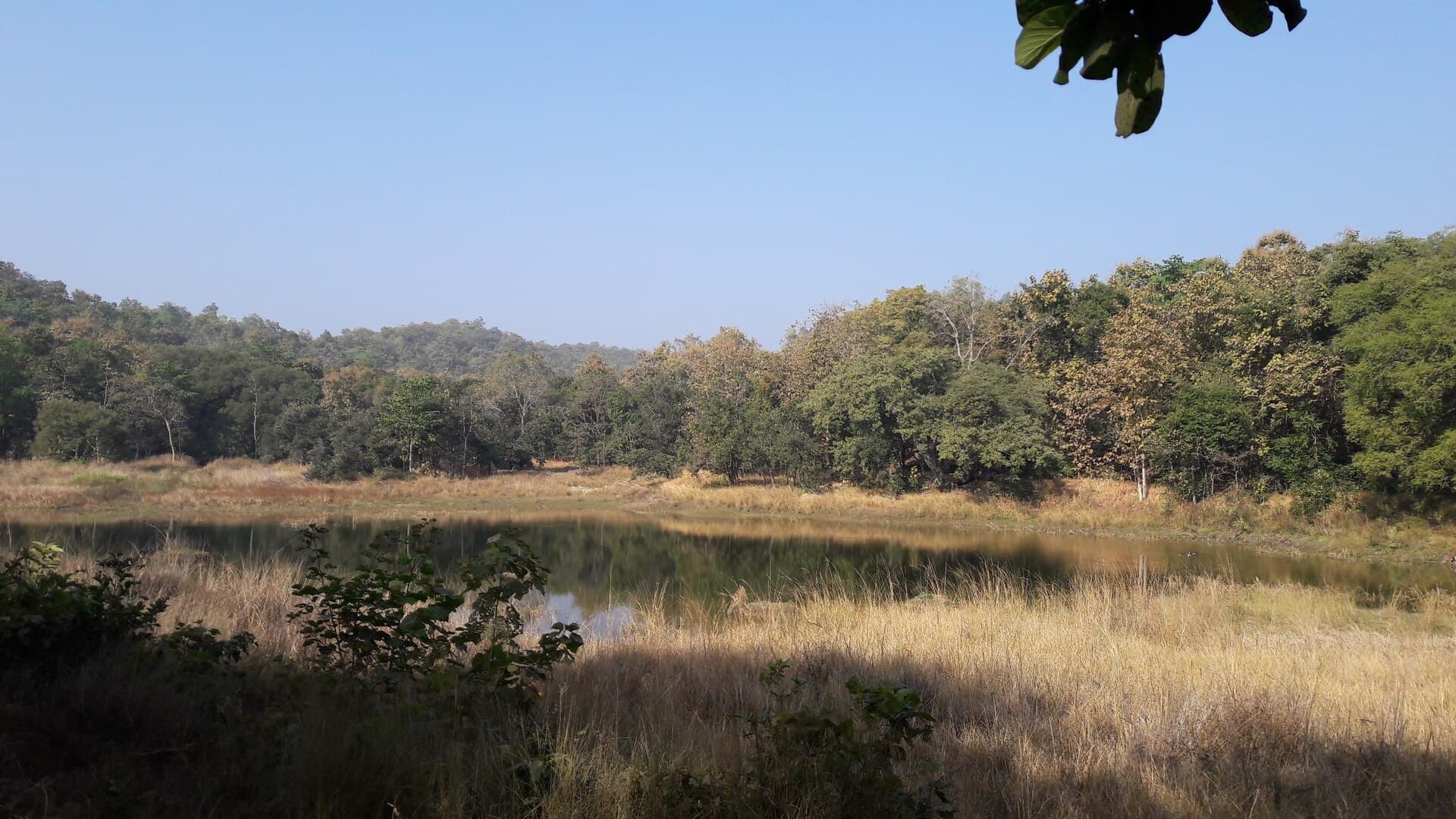
A Gond hill fort on a sandstone outcrop inside the Ratapani reserve, reached by a two-hour trek, with the plateau of Bhopal laid out below.
Chhatarpur, Madhya Pradesh
A natural underground pool of startlingly clear blue water whose depth has never been established, and which is said to rise before major disasters.
Chhindwara, Madhya Pradesh
A horseshoe valley sunk 350 m into the Satpura plateau, home to Bharia and Gond villages that had almost no outside contact until the 1990s.
Dhar, Madhya Pradesh
Fifth-century Buddhist caves with mural painting contemporary with Ajanta — in a village that is also the last home of Bagh block-printing.
20k–200k visitors, known locally but little outside footfall
Narmadapuram, Madhya Pradesh
The only tiger reserve in India where you can legally walk in the core zone — on foot, with an armed guard, at dawn.
Khargone, Madhya Pradesh
Ahilyabai Holkar's riverside capital — a fort, a ghat that runs the length of the town, and the handloom she founded in 1767, still weaving.
Vidisha, Madhya Pradesh
Twenty rock-cut shrines from the Gupta period, including the Varaha panel — arguably the single greatest piece of sculpture in Indian art.
Raisen, Madhya Pradesh
An eleventh-century temple abandoned mid-construction around the largest single-stone Shiva lingam in India — with the architects' setting-out drawings still on the rock outside.
© Jain cloud · CC BY-SA 3.0Datia, Madhya Pradesh
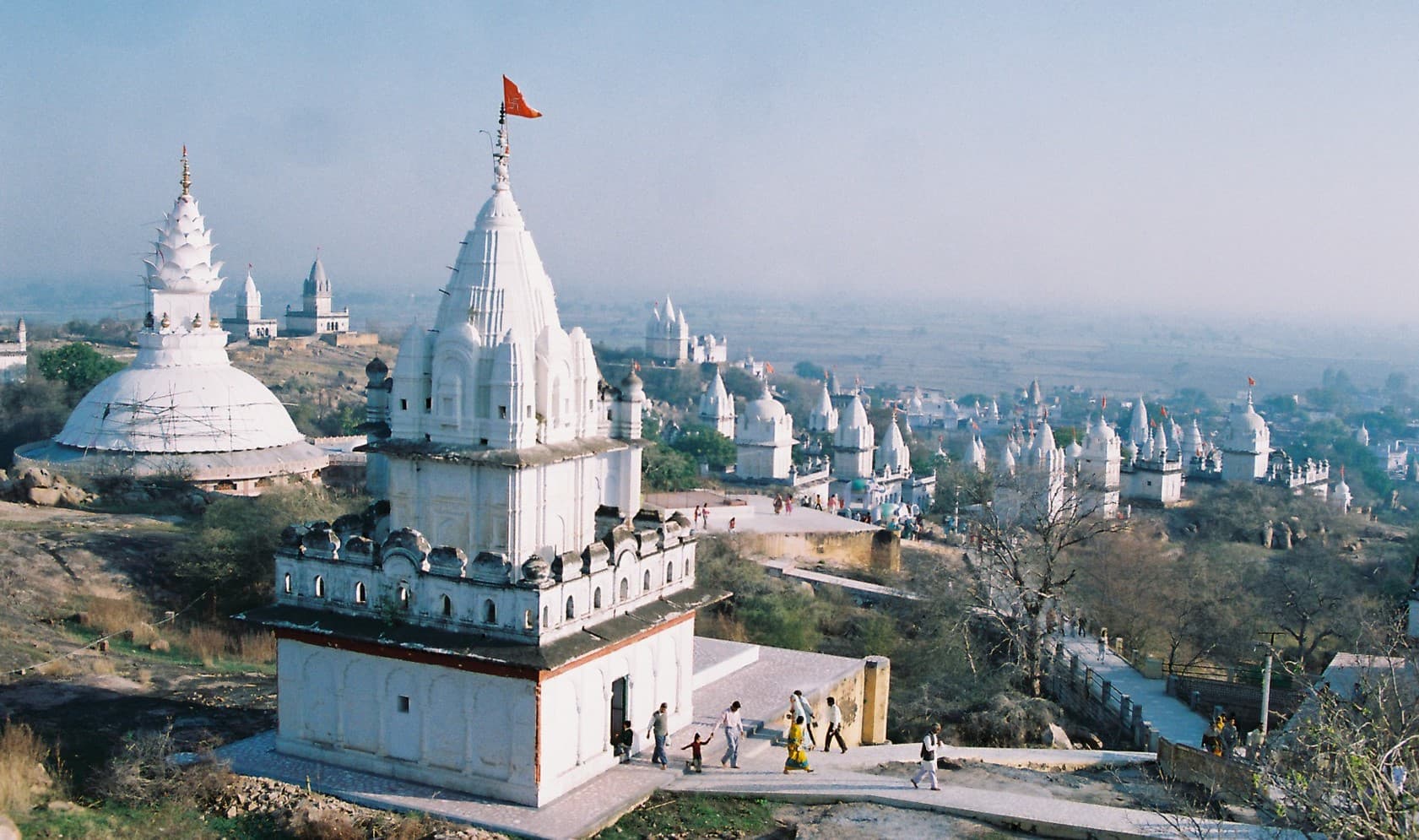
Seventy-seven white Jain temples on a single hill, climbed barefoot, in near silence.
Ashoknagar, Madhya Pradesh
A hill town of Bundela and Malwa monuments that has been weaving the same silk-cotton saree for six hundred years.
Seoni, Madhya Pradesh
The Seoni forest of Kipling's Jungle Book, with the highest prey density of any central Indian reserve and none of Kanha's crowds.
Anuppur, Madhya Pradesh
The source of the Narmada, on a Maikal plateau where three mountain ranges meet and two rivers rise flowing in opposite directions.
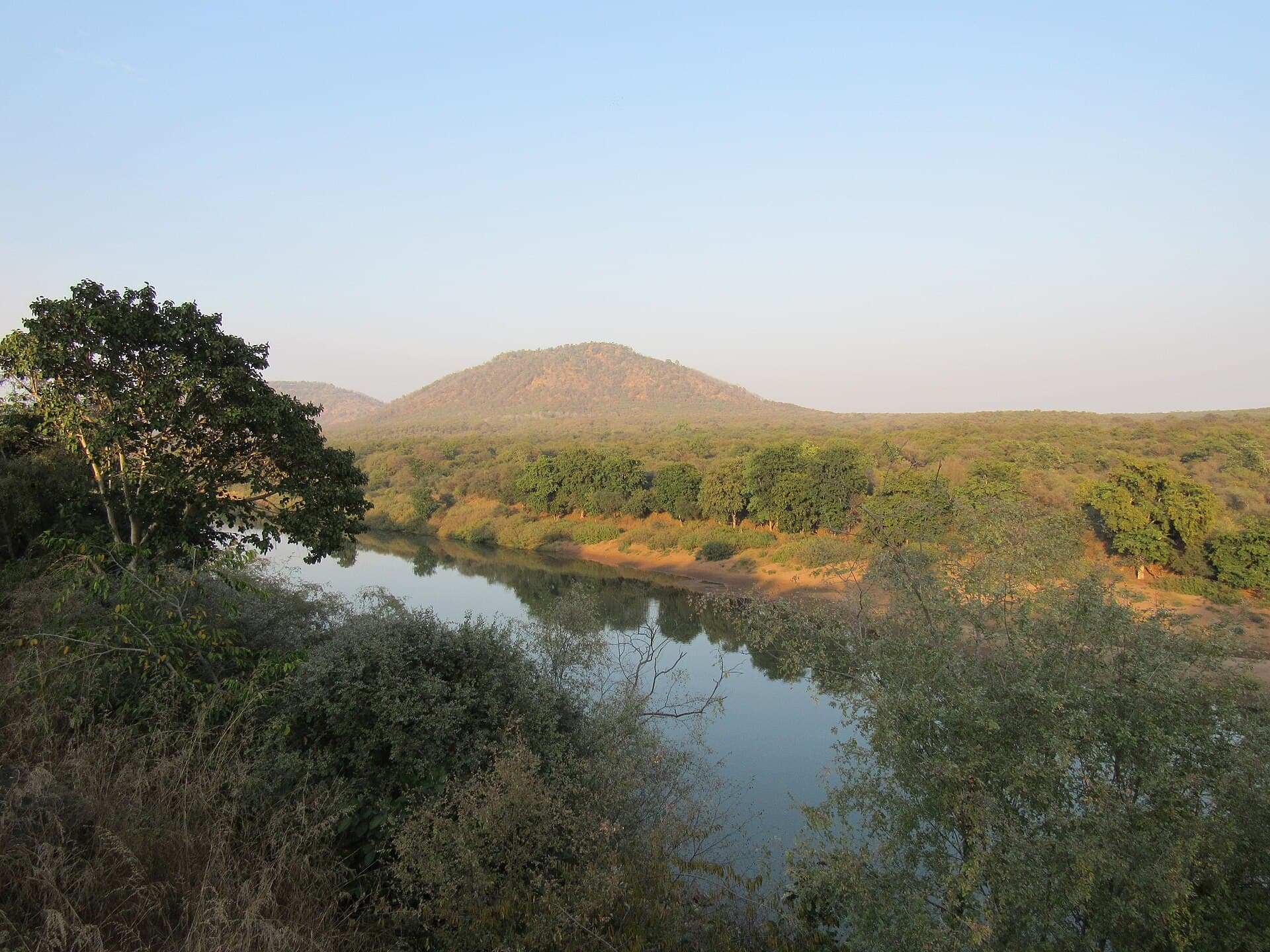
Sheopur, Madhya Pradesh
Grassland and kardhai forest in the Chambal valley, and the only place in India where you can look for cheetah.
200k–1M visitors, regionally well known
Niwari, Madhya Pradesh
A Bundela capital frozen in the sixteenth century — palaces, riverside cenotaphs and a temple where Rama is worshipped as a reigning king.
Mandla, Madhya Pradesh
The sal forest and open maidans that Kipling wrote The Jungle Book about, and the last refuge of the hard-ground barasingha.
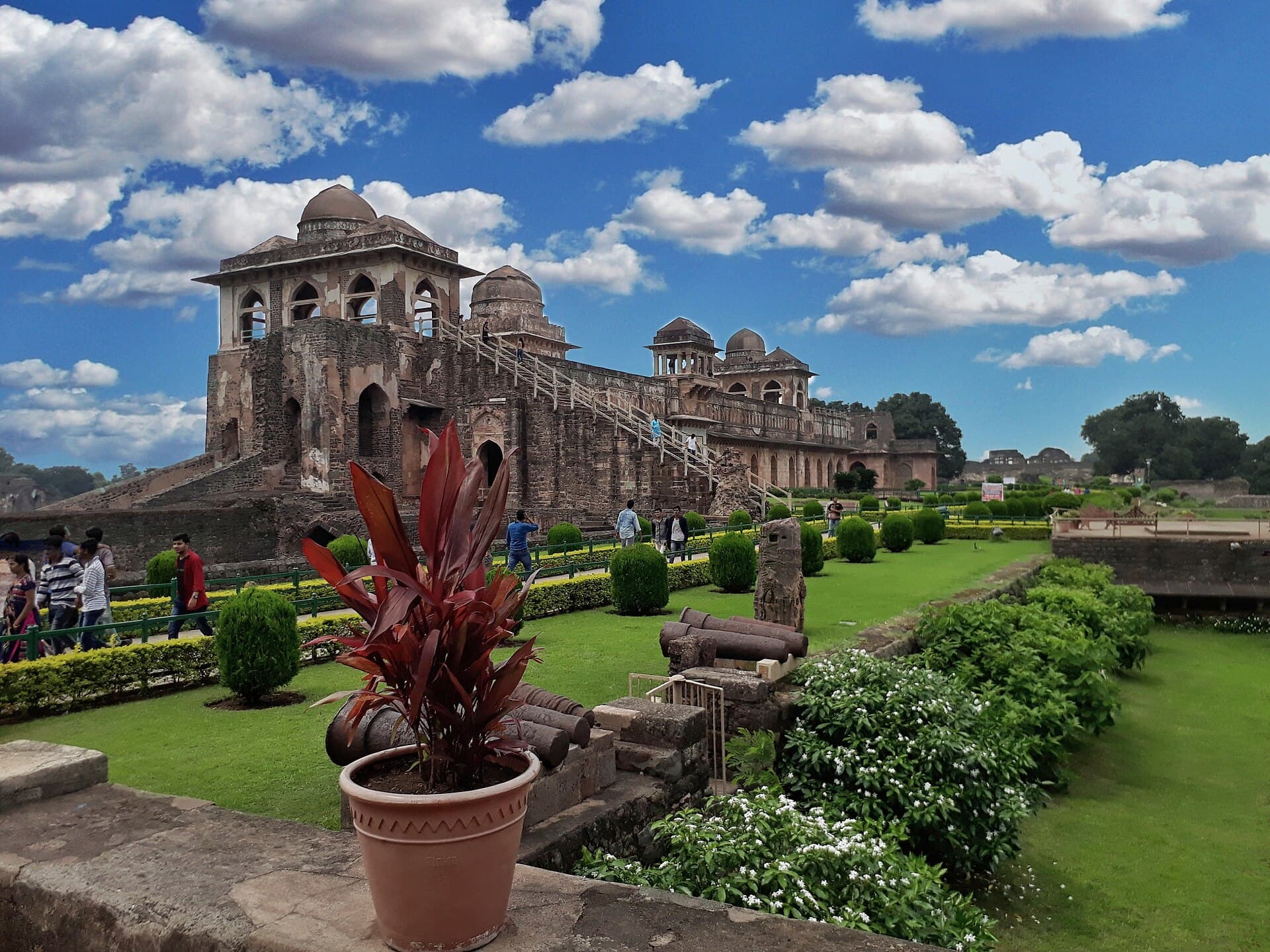
Dhar, Madhya Pradesh
A ruined Afghan capital spread over a 13 km plateau — the most romantic set of monuments in India, and unrecognisably good in monsoon.
Raisen, Madhya Pradesh
The oldest stone structure in India, commissioned by Ashoka in the third century BCE and gated by four of the finest carved toranas anywhere.
Umaria, Madhya Pradesh
The highest density of tigers of any park in India, wrapped around a two-thousand-year-old hill fort.
Gwalior, Madhya Pradesh
A hill fort Babur called the pearl among Indian fortresses — three kilometres of sandstone wall, a tiled palace, and the second-oldest written zero in the world.
Raisen, Madhya Pradesh
A UNESCO site of over 750 sandstone shelters holding painting that runs unbroken from the Mesolithic to the medieval period.
Khandwa, Madhya Pradesh
A Jyotirlinga on a Narmada island shaped like the Om symbol, circled by a 7 km parikrama path.
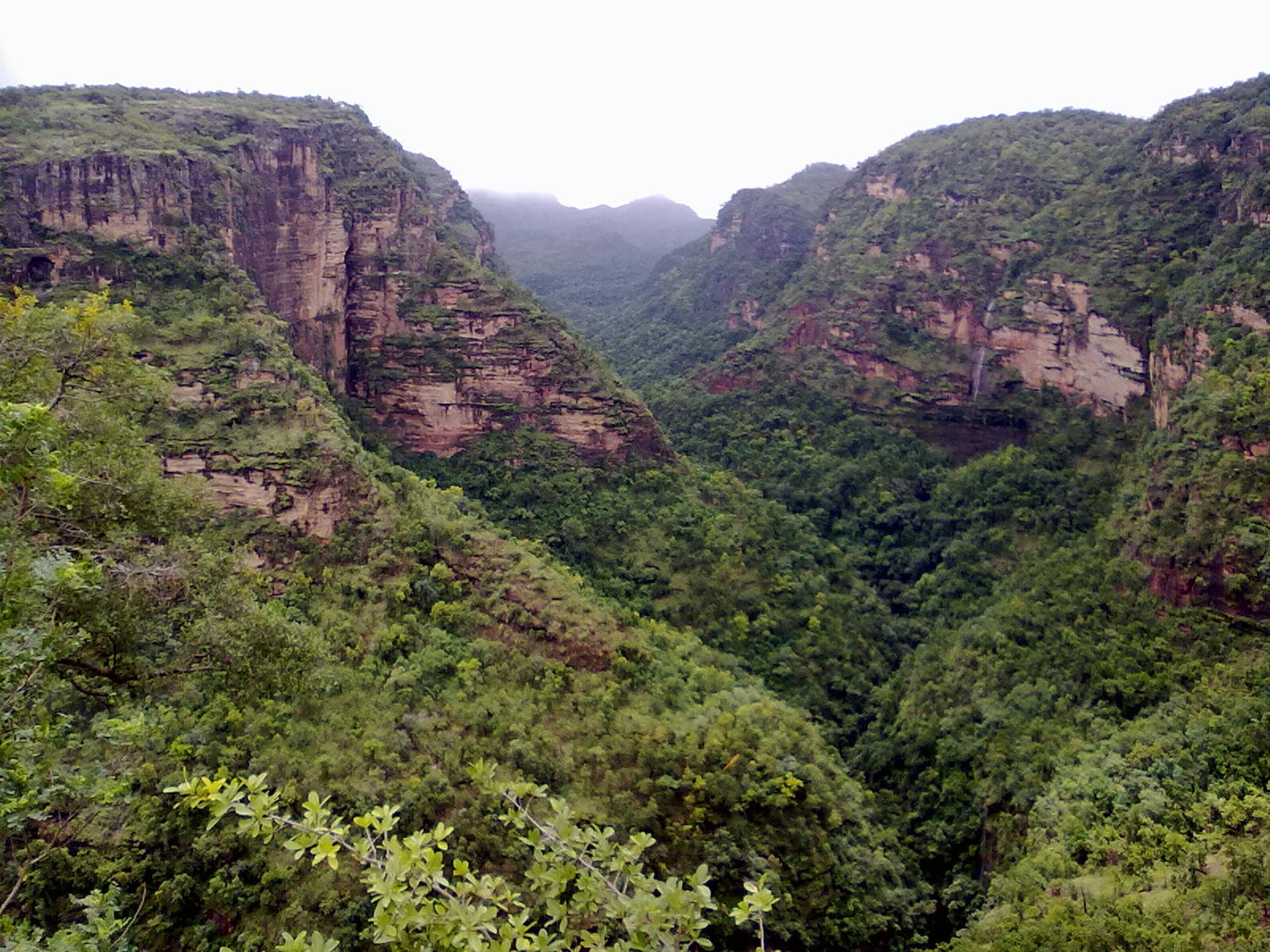
© Abhayashok · CC BY-SA 3.0Narmadapuram, Madhya Pradesh
Madhya Pradesh's only hill station — a Satpura plateau of waterfalls, ravines and rock-shelter paintings, at the centre of a biosphere reserve.
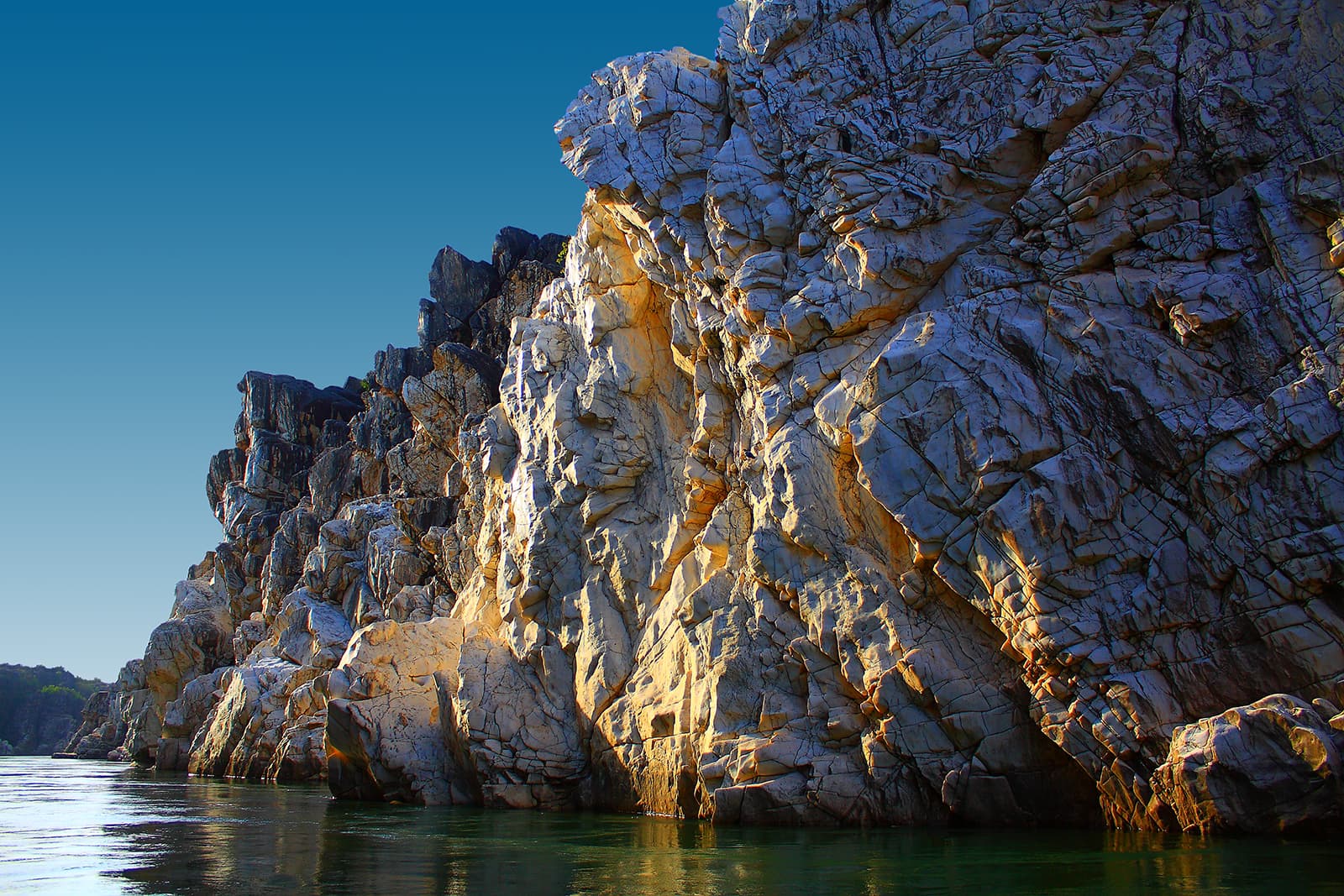
© Aksveer · CC BY-SA 4.0Jabalpur, Madhya Pradesh
The Narmada cutting a gorge through 100 ft marble cliffs, then dropping 30 m at Dhuandhar in a fall so violent it throws permanent mist.
Over 1M visitors a year, nationally iconic
Chhatarpur, Madhya Pradesh
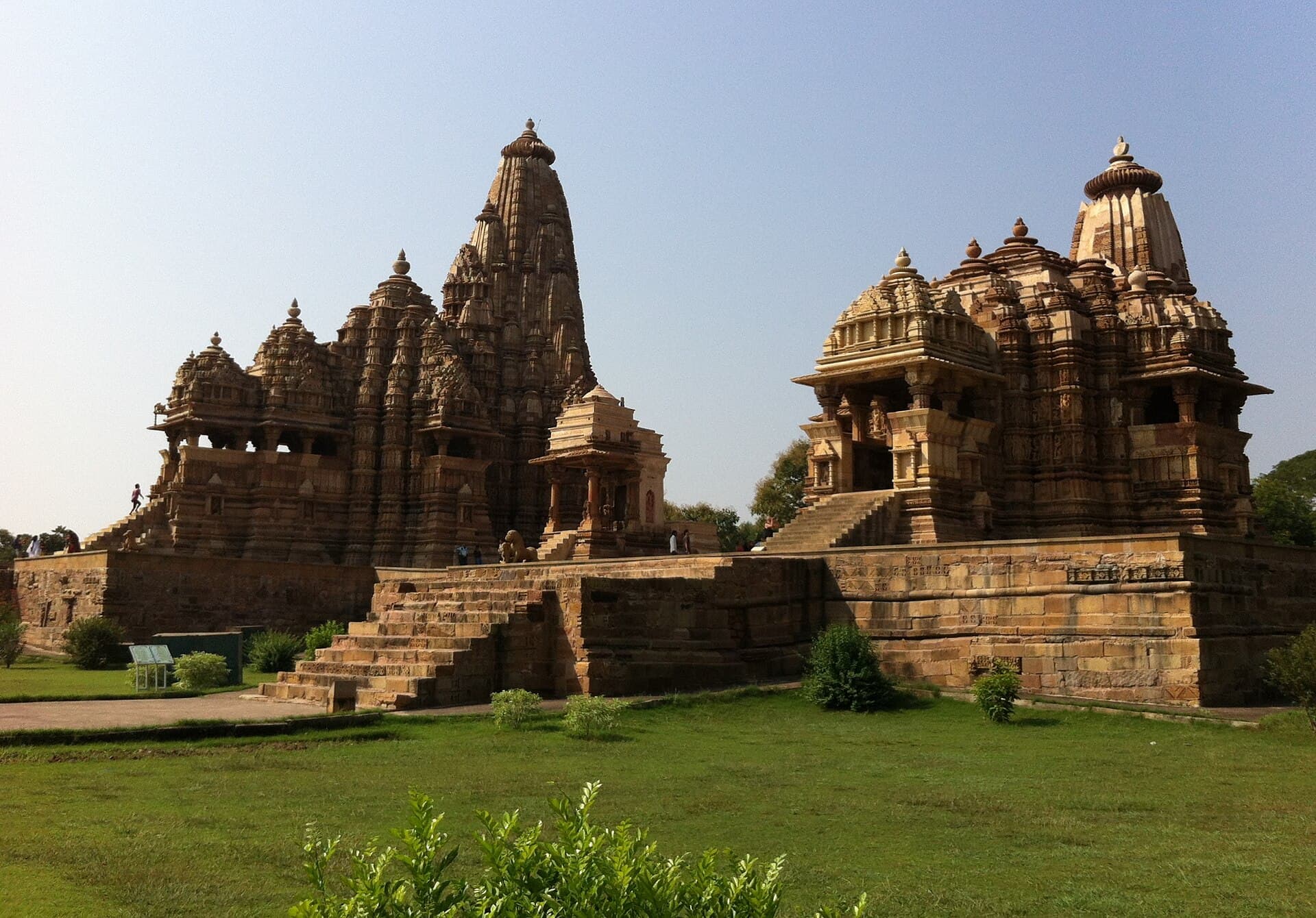
A UNESCO World Heritage site of Chandela-era temples whose carving is the high-water mark of north Indian sculpture.
Ujjain, Madhya Pradesh
One of the twelve Jyotirlingas, and the only one facing south — home to the Bhasma Aarti, performed before dawn with ash.